The dead don't go until we do
-
Małgorzata Mirga-Tas / Amol K Patil / Kang Seung Lee / MADEYOULOOK
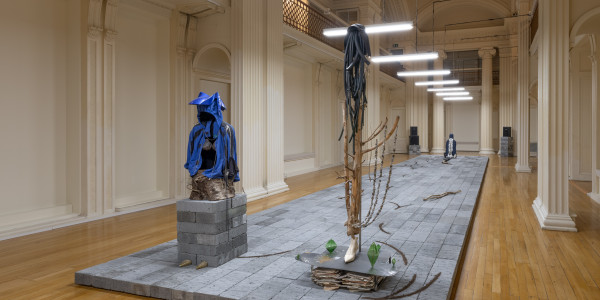
The dead don’t go until we do brings together four artists who channel the strength of family, friends and communities. It is about the collective power that runs across generations.
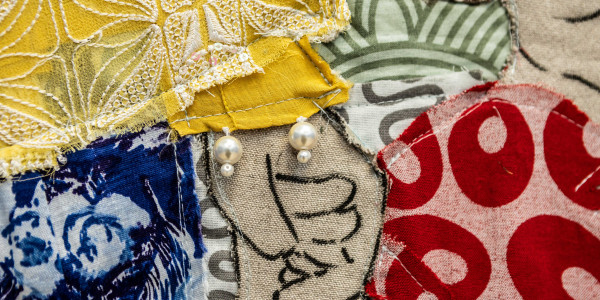
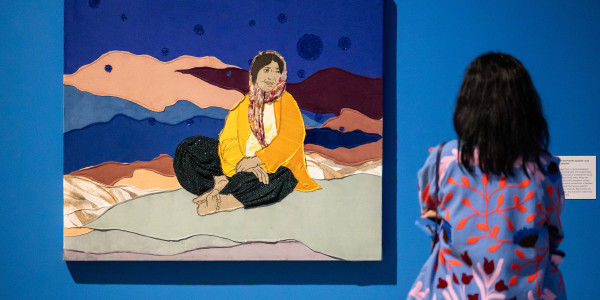
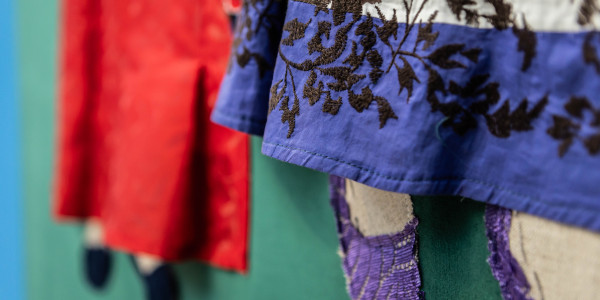
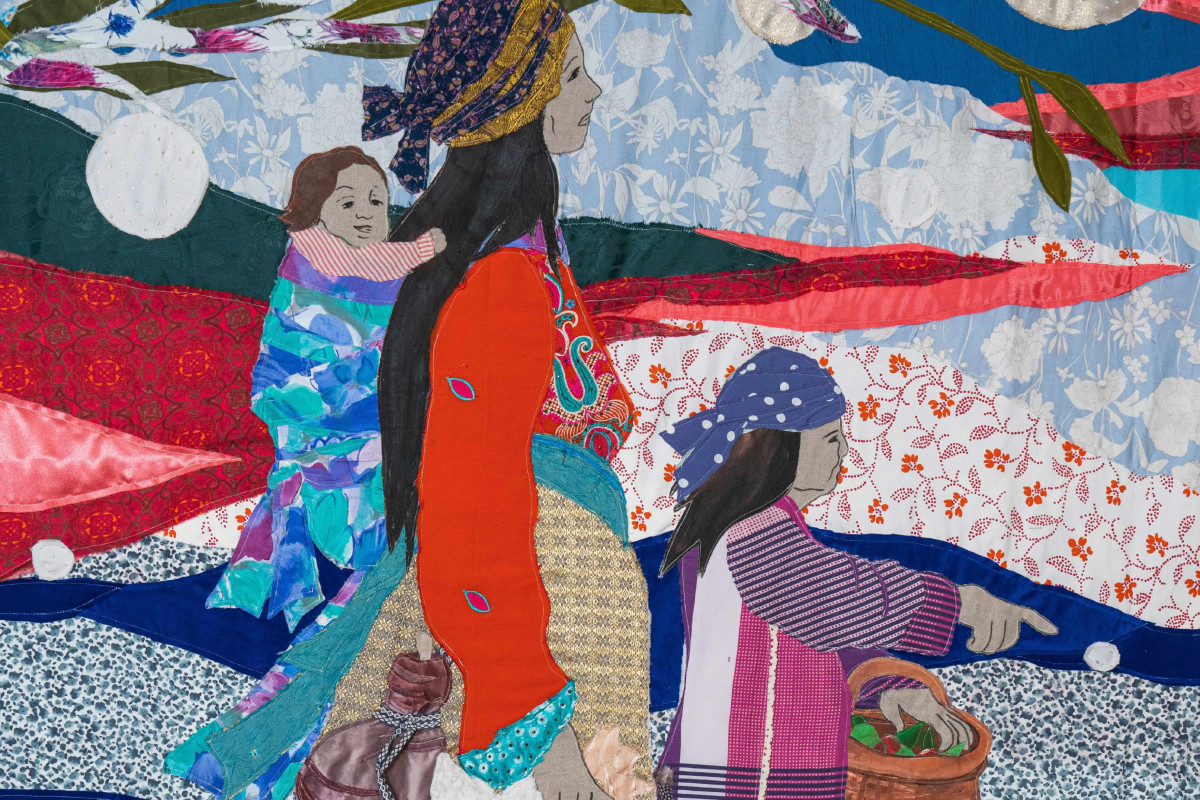
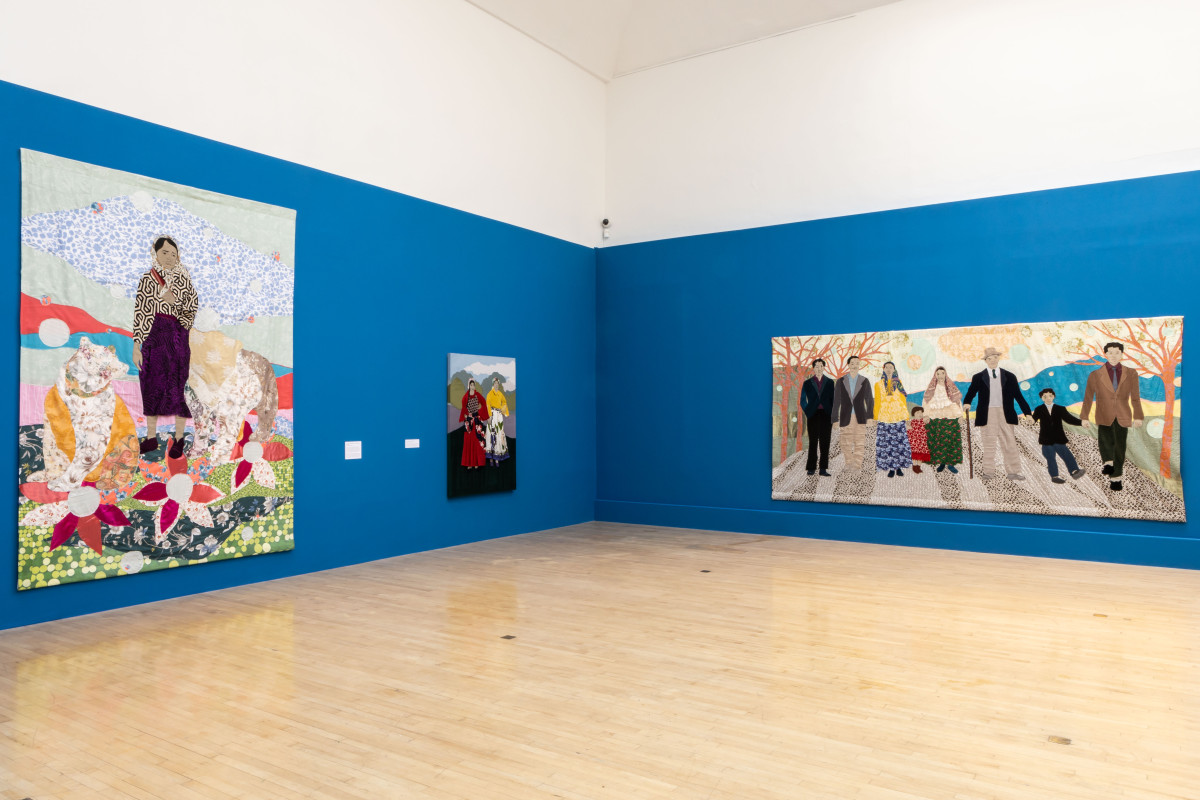
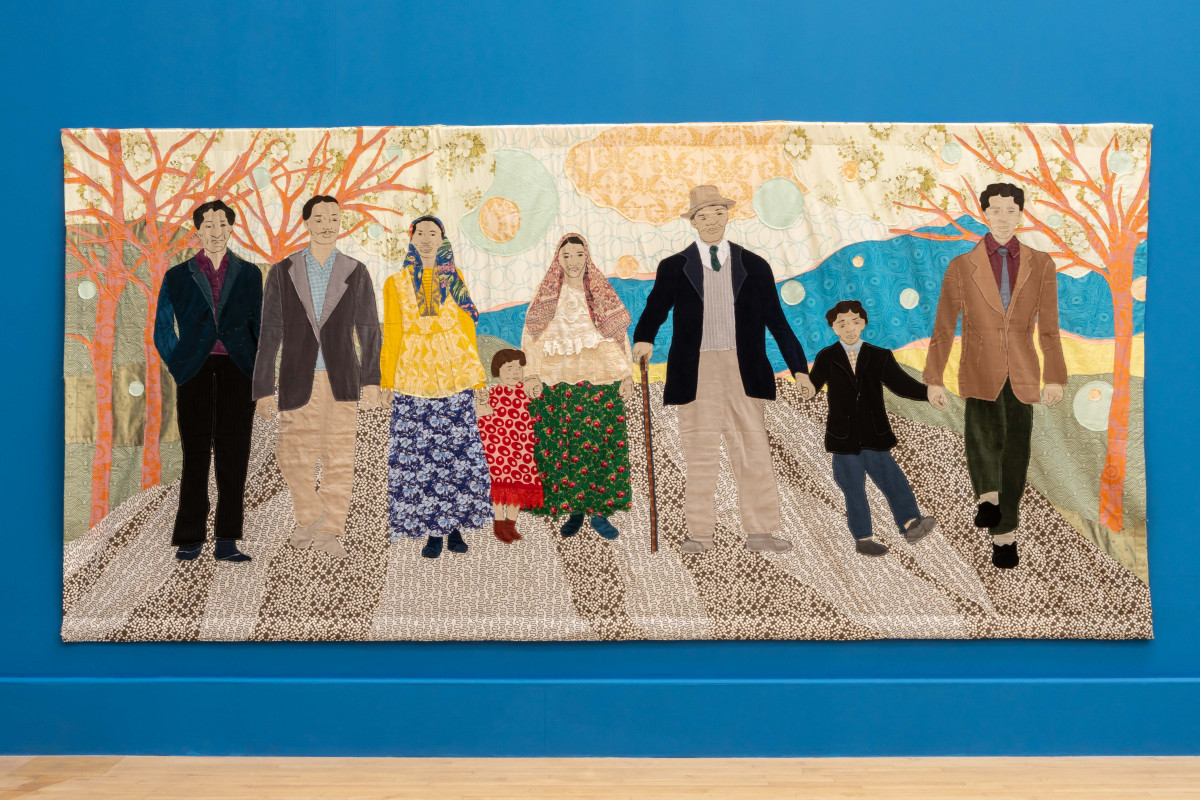
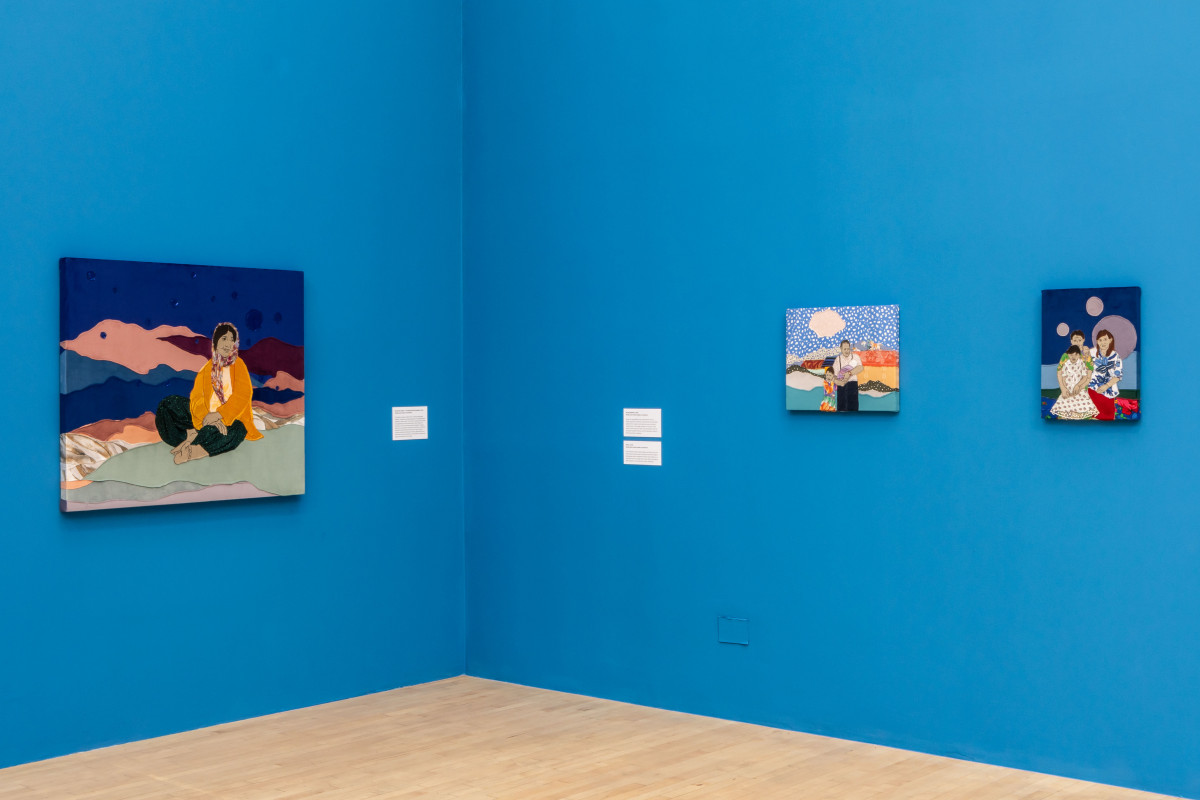
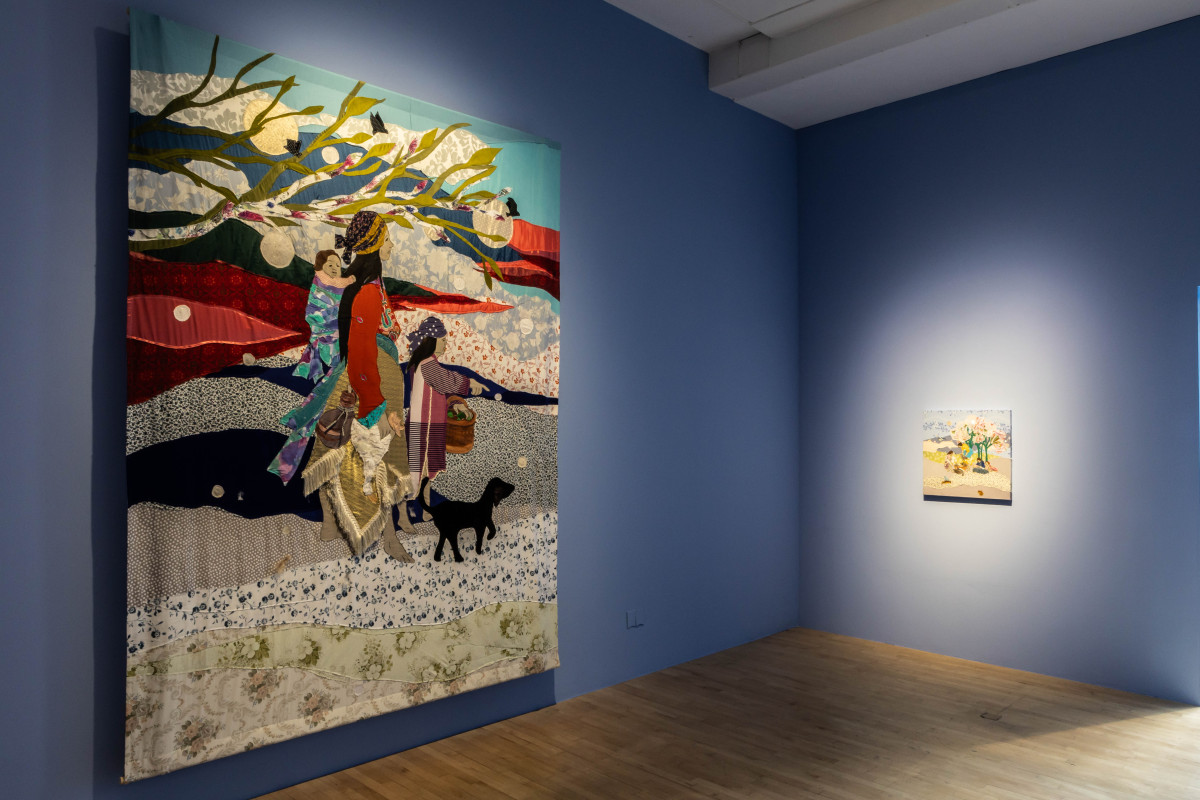
Małgorzata Mirga-Tas celebrates her ancestral Roma community. Through colourful fabric collages, she takes control of the images made about people, past and present, to overcome centuries of prejudice.
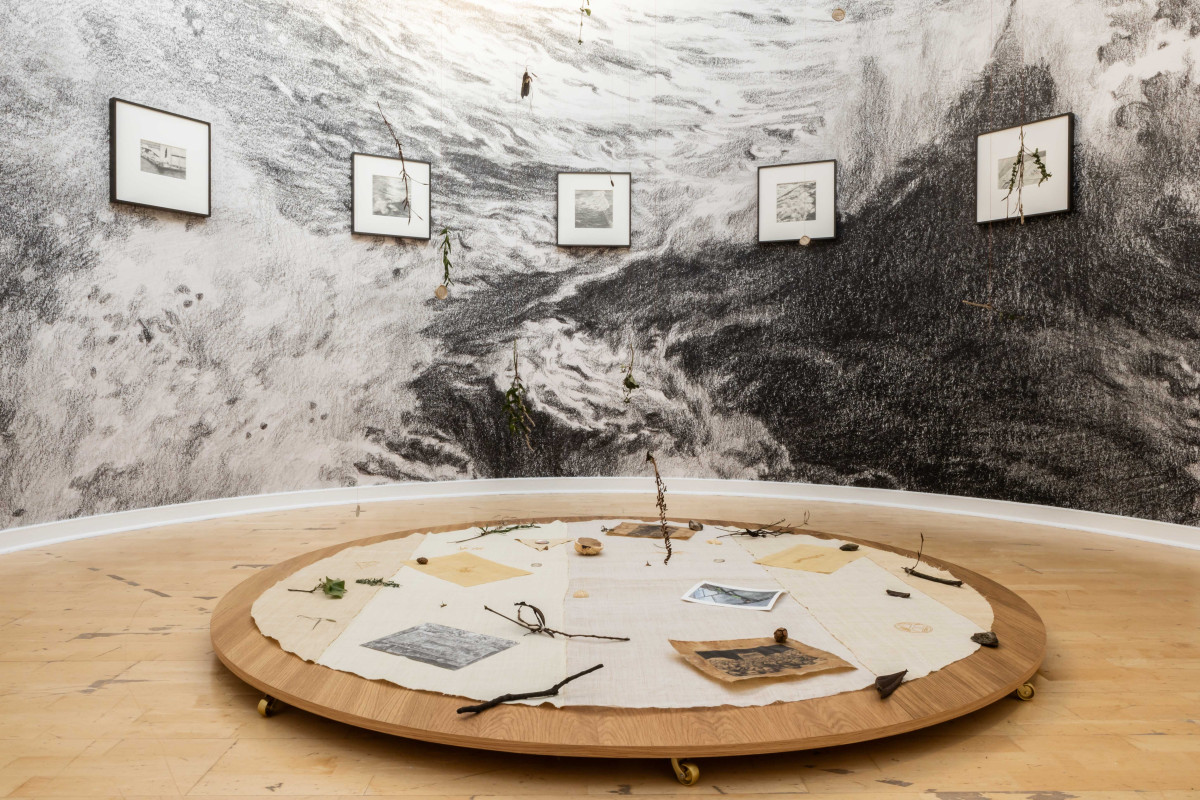
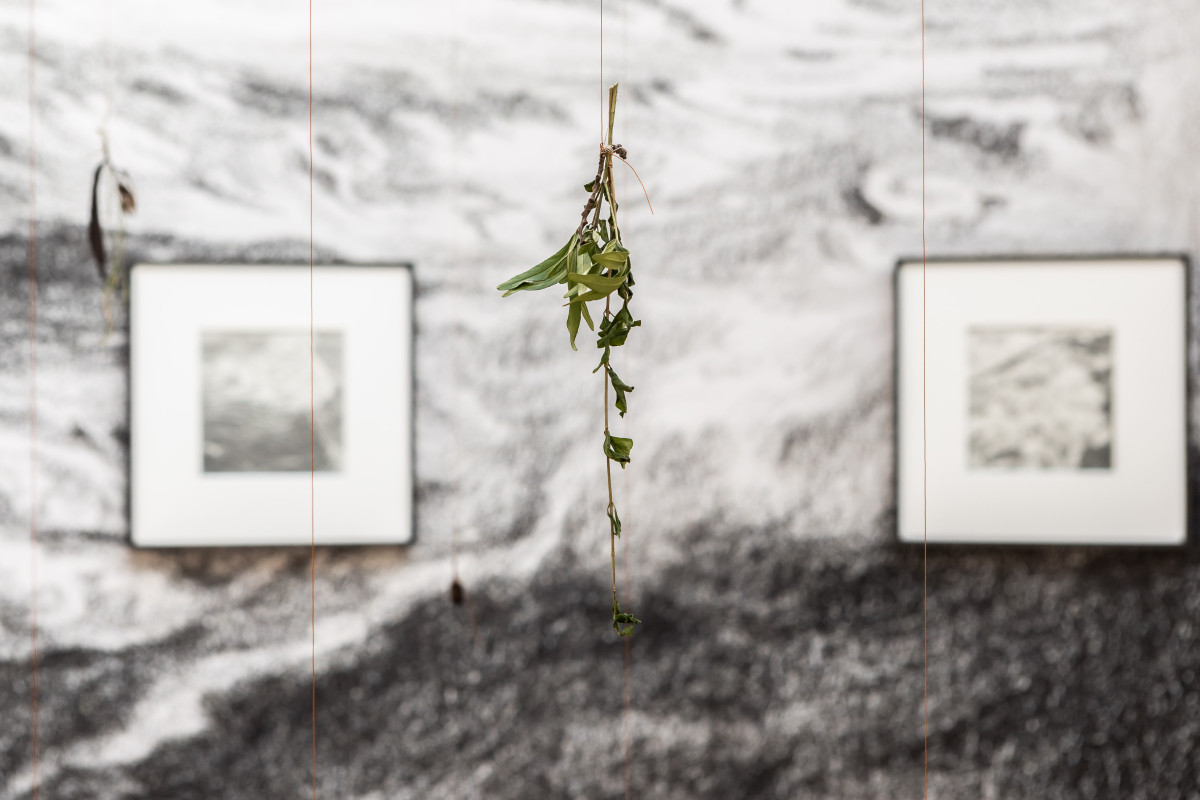
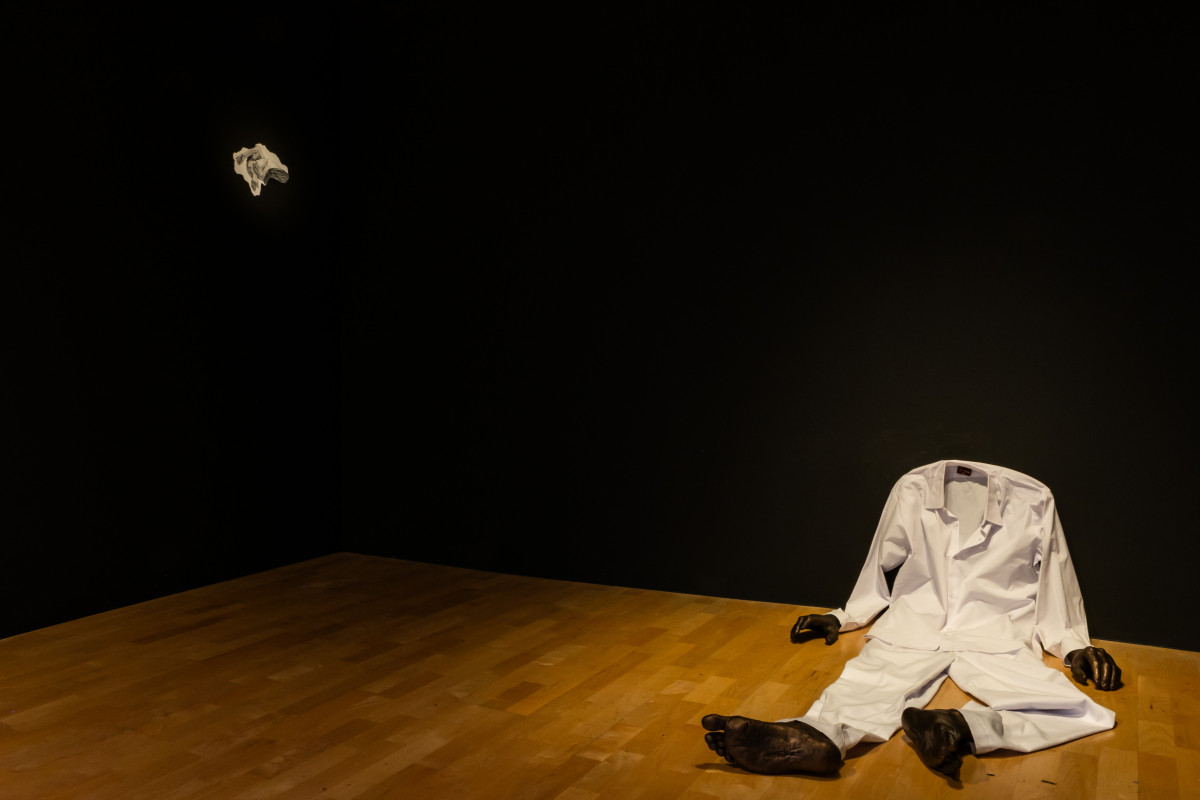
Amol K Patil follows his late father and grandfathers’ bold writing and performances. He uses his art and poetry to share the struggles of those living in poverty in the City of Mumbai.
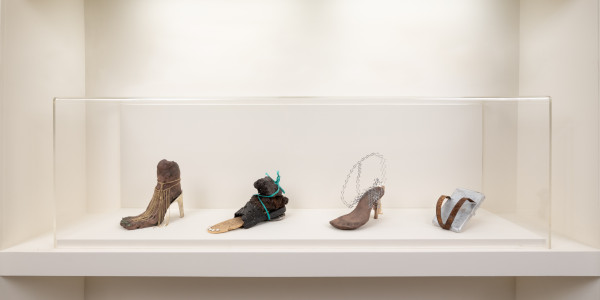
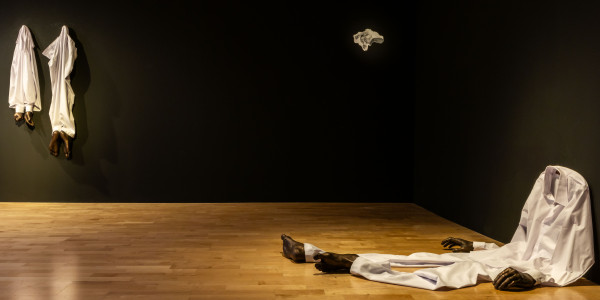
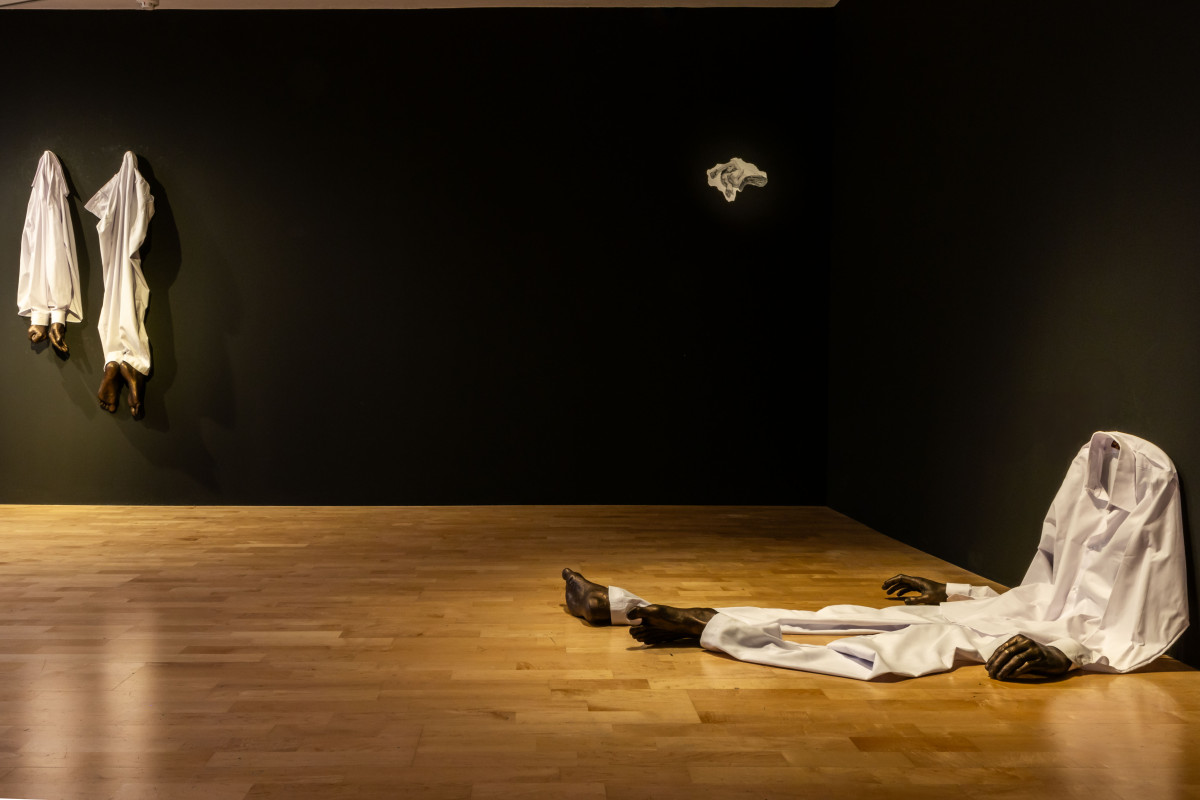
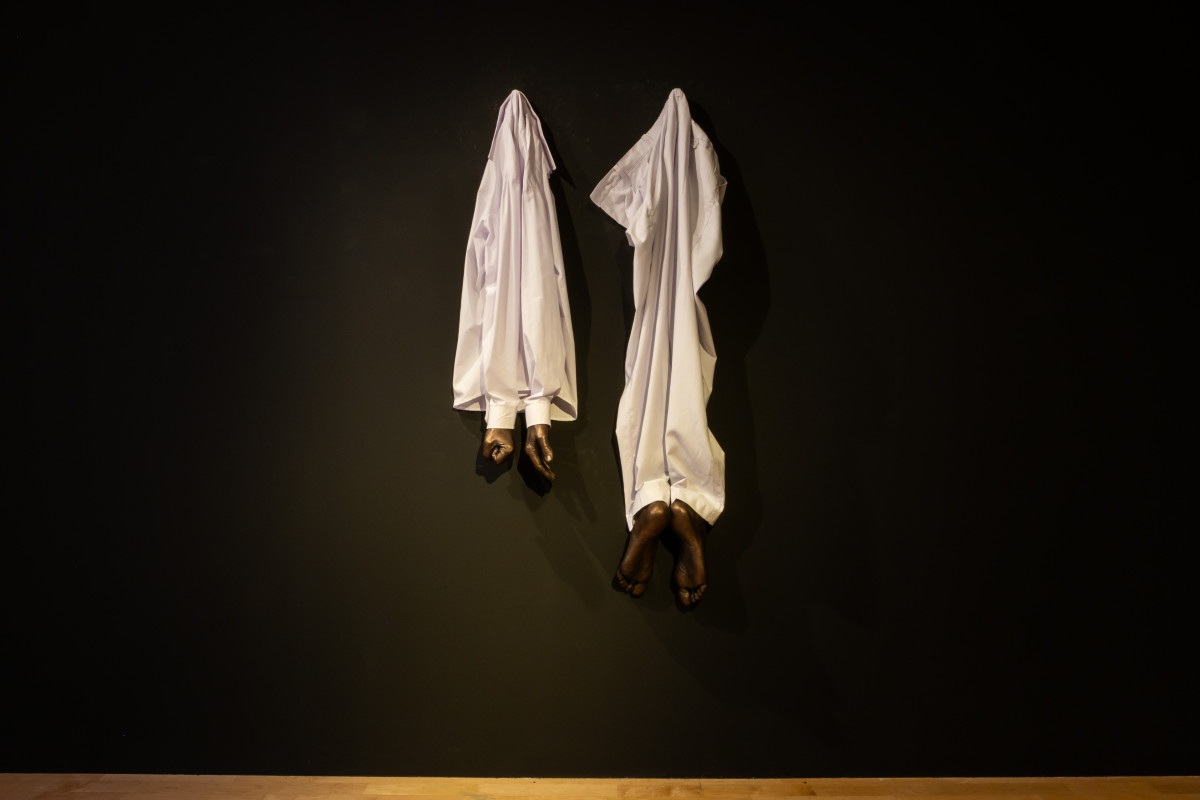
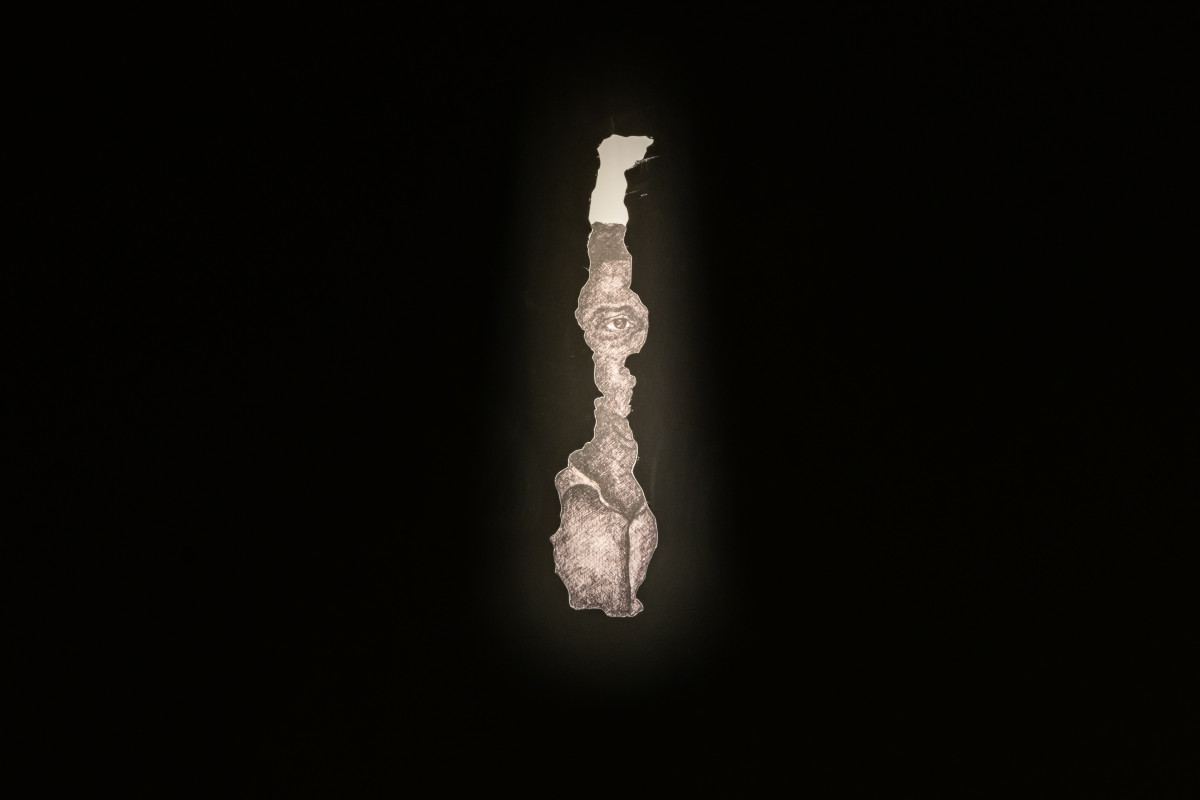
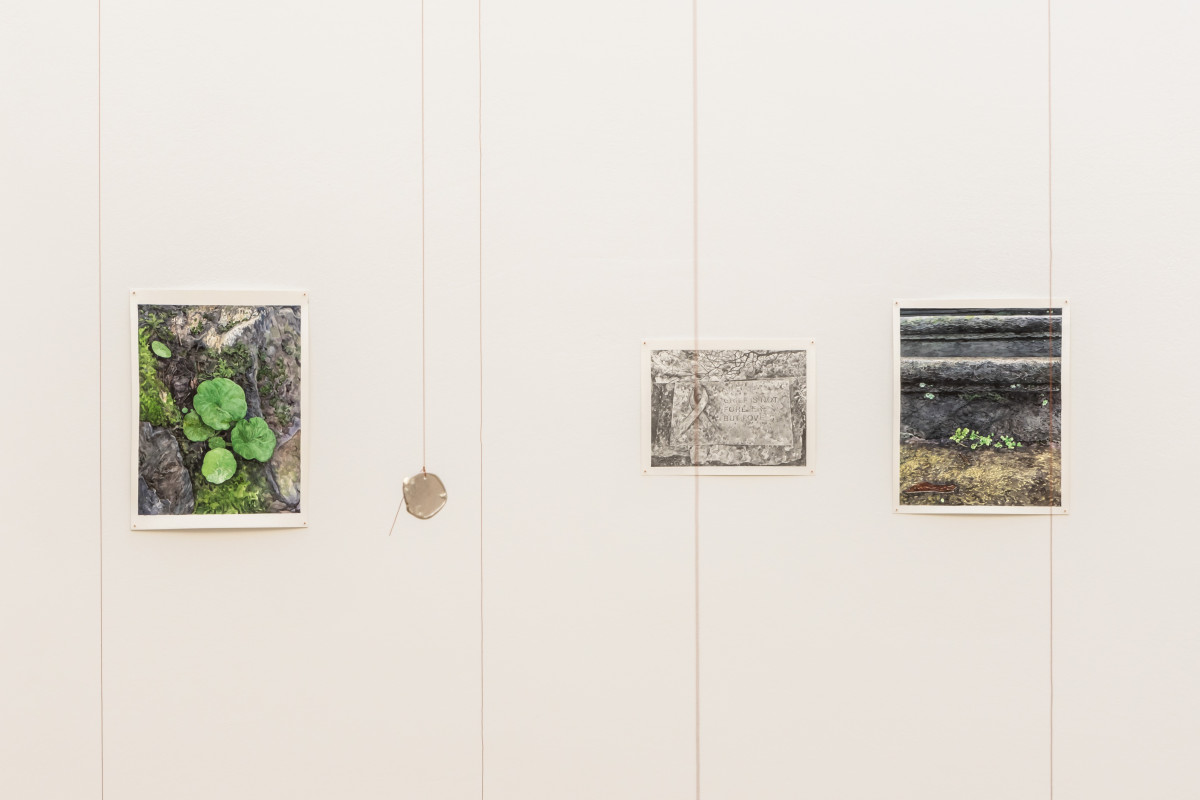
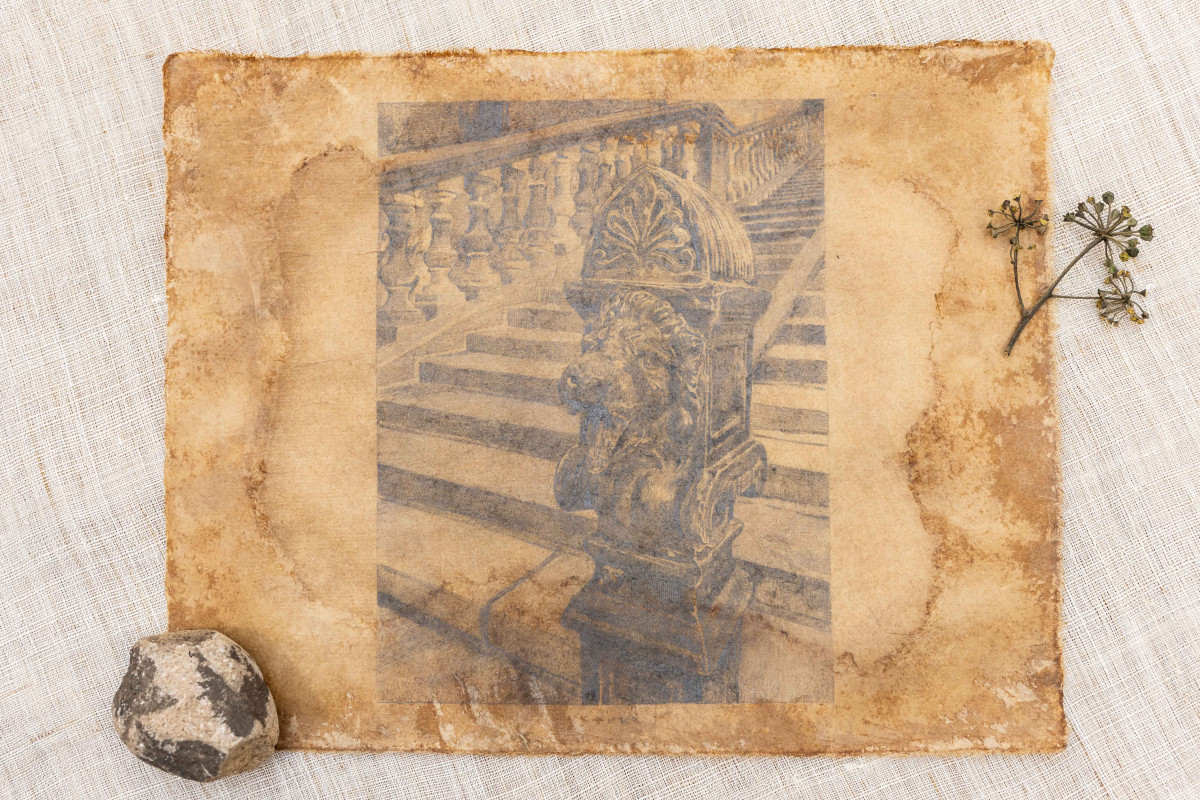
Kang Seung Lee begins with research into historical archives, looking at the way marginalised communities are erased. But he uses the gaps and absences to make space for both the living and dead, in this exhibition linking with historical queer sites across Edinburgh.
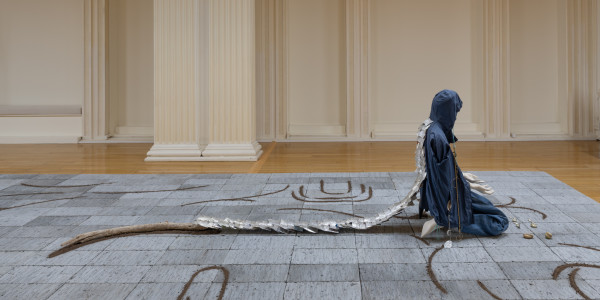
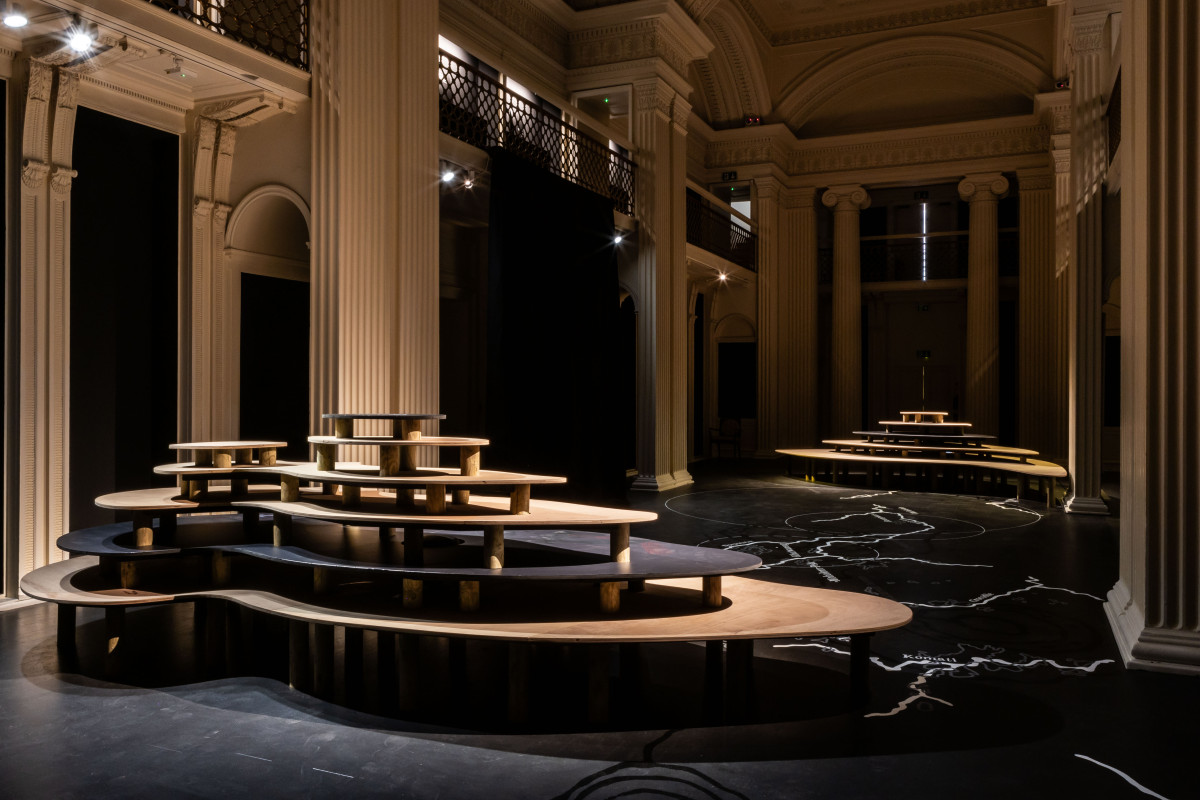
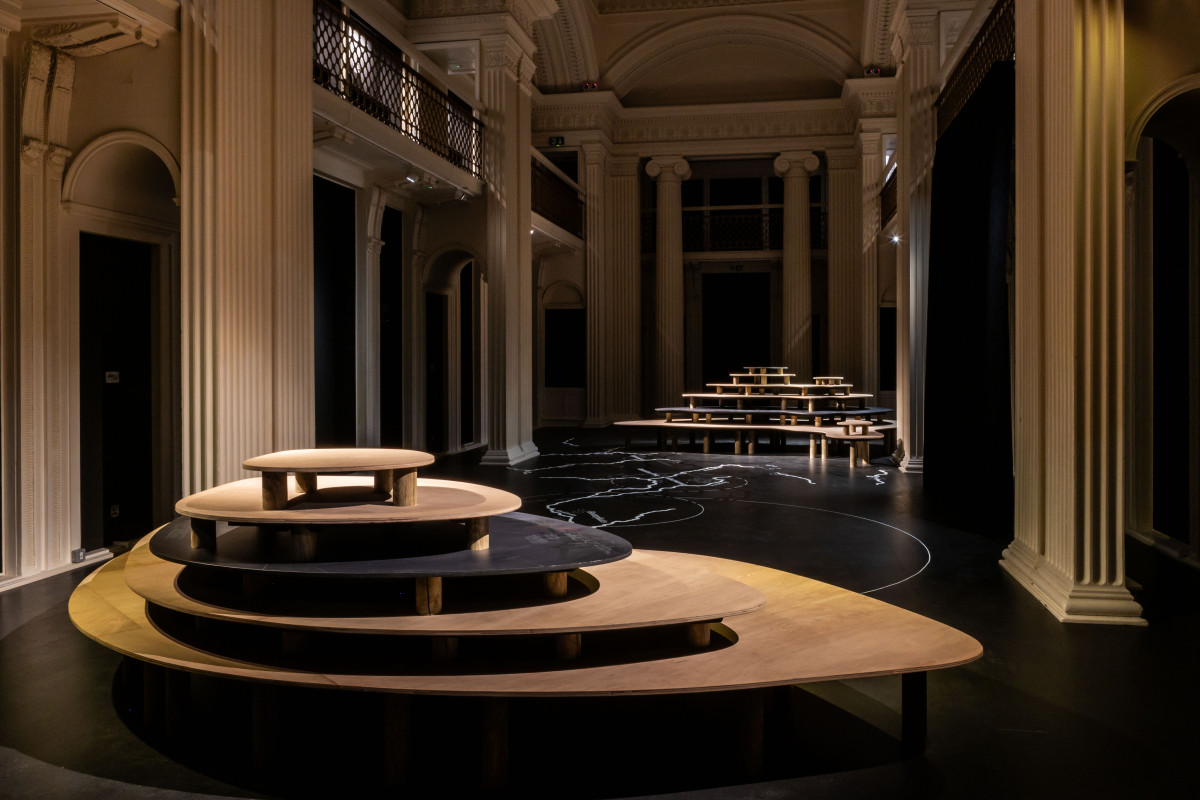
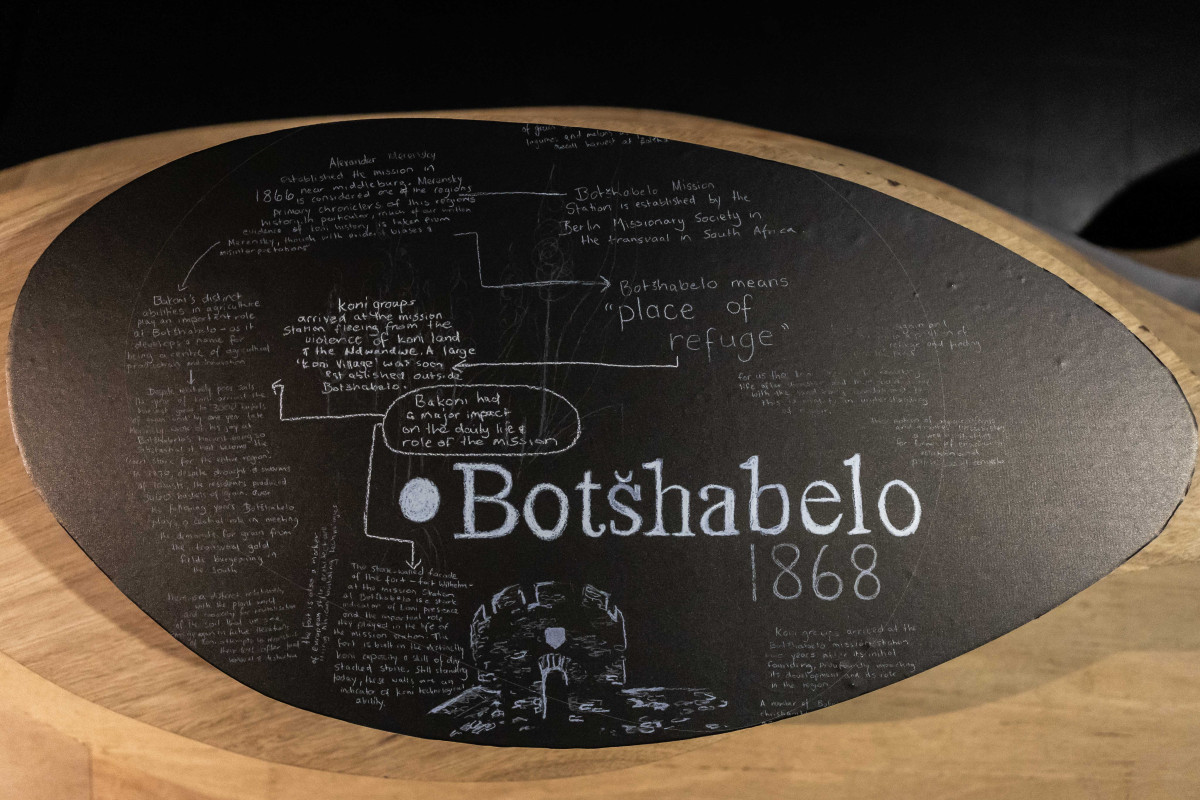
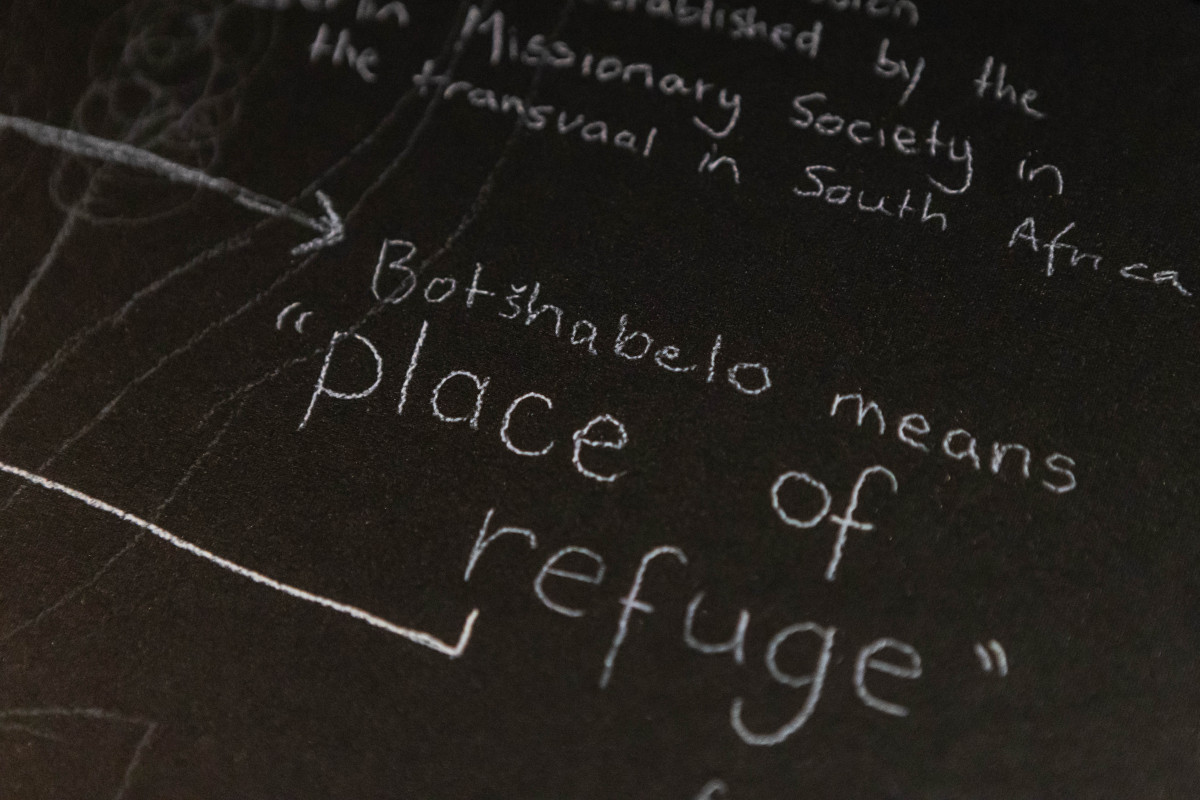
MADEYOULOOK is a collaboration between Molemo Moiloa and Nare Mokgotho. They explore the landscapes shaped by the frequently displaced Koni people in South Africa. Working from the ancient earthworks left by the Bakoni, they think about alternative relationships to the land.
The collective title for these exhibitions comes from Scottish poet Jackie Kay’s poem Darling, a tribute to a friend who passed away. The poem begins by talking about how quickly we might forget subtle details, but ends by stating:
[…] what I didn't know or couldn't say then
was that she hadn't really gone.
The dead don't go till you do, loved ones.
The dead are still here holding our hands.
Curated by James Clegg
Supported by Edinburgh College of Art, Creative Scotland, The Adam Mickiewicz Institute, and further supported by the Ministry of Culture and National Heritage of the Republic of Poland and Polish Cultural Institute in London.
Exhibition Guide
Illustrated Guide
Download GuideActivity Book
Download BookVisual Storyboard
Download StoryboardSensory Map
Download Map